

Stow Maries Great War Aerodrome: A natural wildlife habitat in Maldon, Essex
Stow Maries Great War Aerodrome provides an excellent natural habitat as the 93-acre site has remained largely untouched since the end of World War One. From the wide, open grassland areas that support butterflies, to shady woodland and quiet ponds, we offer a range of environments where nature can flourish.
If you visit us during the summer months you are likely to see the Marbled white butterfly, which can be seen in large numbers at Stow. You may spot the rarer Wall brown butterfly, regularly sighted resting in our grasslands or catching the breeze.
The birdlife on site is a delight, particularly our birds of prey. All five resident British owls have been spotted over the years hunting across the skies of Stow. Our Barn owls are a common sight at the beginning and end of the day when the area is quiet. When we have living historians or Scout groups camping overnight they often discover just how loud Tawny owl and Little owl calls can be in the dead of night!
Kestrels are abundant at Stow and can be seen almost daily, while rarer raptors, Hobbies, Merlins and Sparrowhawks, have all been spotted here. Buzzards are regularly seen perched in trees or poles or in the skies above, and their distinctive meowing call is regularly heard.
The newest regular visitors are the spectacular Red kites. Even larger than the Buzzard, with wingspans of around 185cm (more than the height of the average UK man), they are beautiful fliers, twisting their forked tails as they change direction. They arrived in the area during the quiet Covid lockdowns and nest nearby – you may spot them soaring above the road.
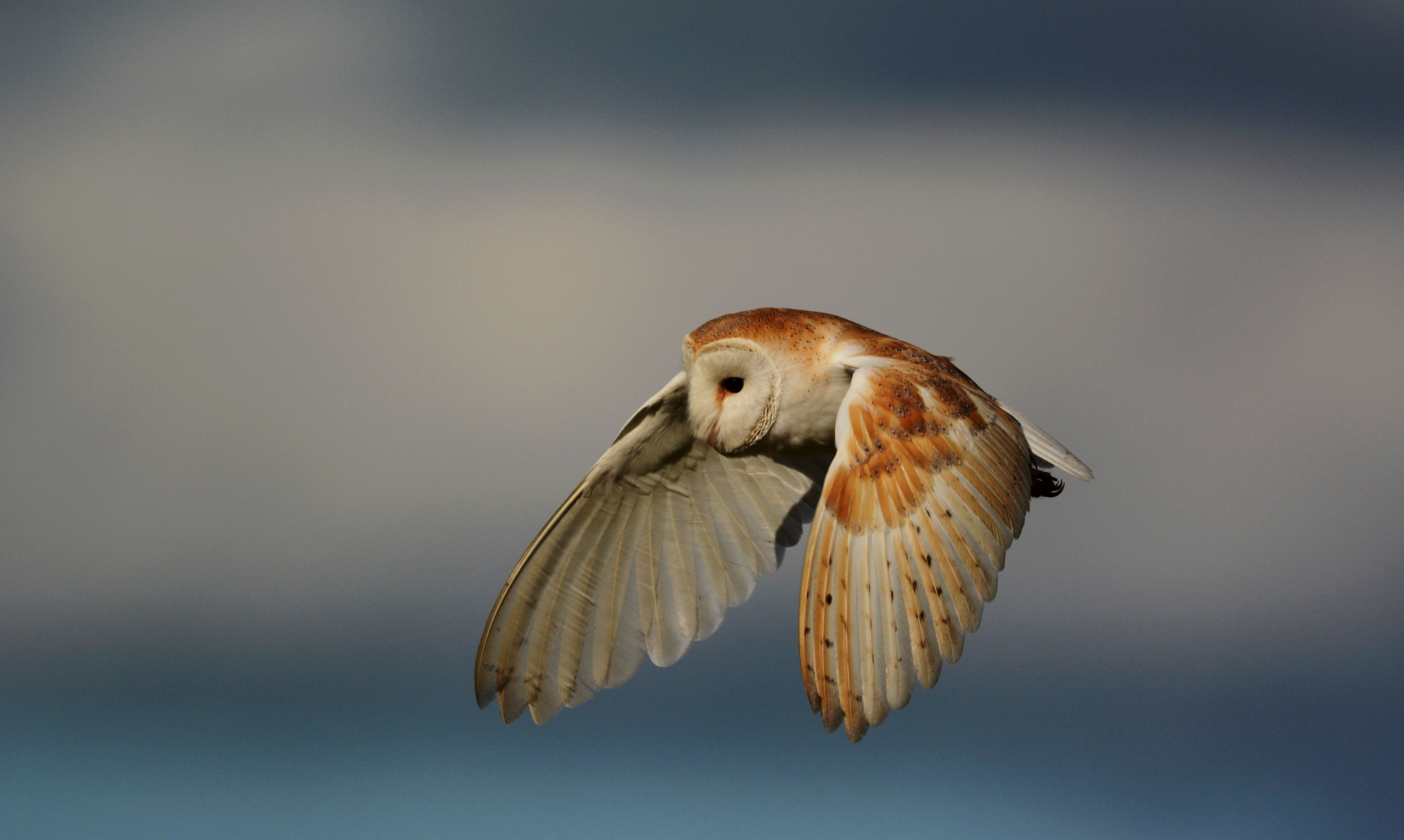

Image Credits: D Stretton / Drake / SMGWA/ Nick B
The reason for Stow’s abundance of butterflies and birds of prey is our grassland and wildflower meadows – perfect for insects, mice and voles to live in. We have five different areas of grassland managed under our HLS agreement with Natural England, each will have a different mix of plants and cutting regime so different species live in each one. Hares and Skylarks are examples of other species found at Stow which exist because of our grassland management.
The wildlife diversity we enjoy is boosted by the fact that we have many different habitats on a relatively small site. A recent visit by Essex Field Club – the nature survey and nature record-keeping organisation in Essex – noted that as well as the grasslands, we have old oak trees which are nature hotspots in their own right, along with mature hedgerows used by migrating birds every year, large areas of bramble and rubble patches which are great for reptiles, snakes and nesting birds, and three ponds of different depths.
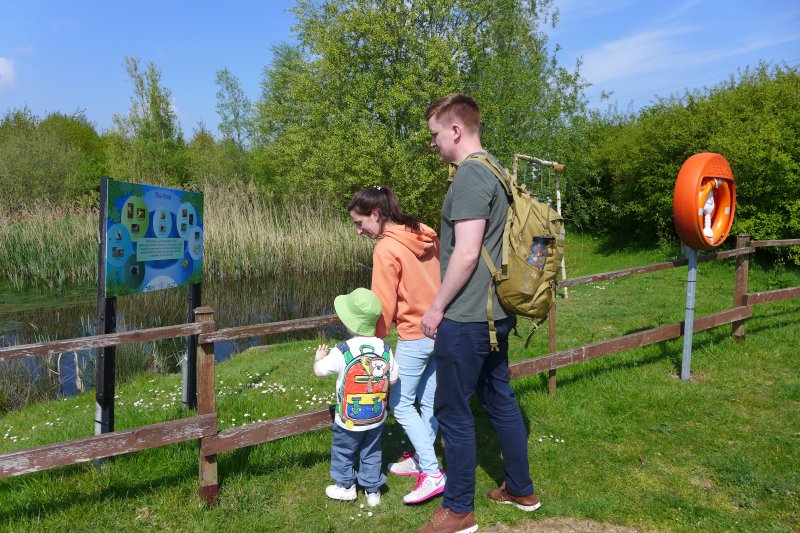
The deeper pond by the entrance is where you find nesting water birds such as Coot, Mallard, Little grebe and occasional visitors such as Heron and Cormorant. It’s also a hotspot for small birds including Goldfinch and Greenfinch that like the bushes nearby. The other ponds are more suitable for amphibians such as frogs and newts because there are no ducks to eat their young.
Another important habitat is our young woodland, Memorial Wood. Planted just 15 years ago, the many different native species are growing strongly. We have recently starting carefully widening paths and thinning trees to create sunlit glades that woodland butterflies such as Speckled wood love.
Many different bird species nest at Stow but our summer warblers are special. Sometimes referred to as LBJs (little brown jobs) because they are difficult to tell apart, the best and most enjoyable way to identify them is by their song, as they are all different and delightful. Warblers arrive from March and start singing to mark out their territory as soon after they arrive. Walking beside the bridleway hedgerow in spring you can hear Chiffchaff, Blackcap, Whitethroat and the rarer Lesser whitethroat, along with the occasional Sedge and Garden warblers. Add to this the resident Dunnock and Song thrush and you can see why the dawn chorus at Stow is really special.
The Wildlife Team at Stow love to show our nature to visitors. We have Guided Walks available on the first Saturday of every month, and special Family Nature Days in spring, summer and autumn - you can get an idea of what it's all about from our YouTube film below. New for 2026 we will be taking visitors on an early morning Dawn Patrol around the site to see and hear nature as it welcomes in the new day – see our Events page for details.